
u shaped glass
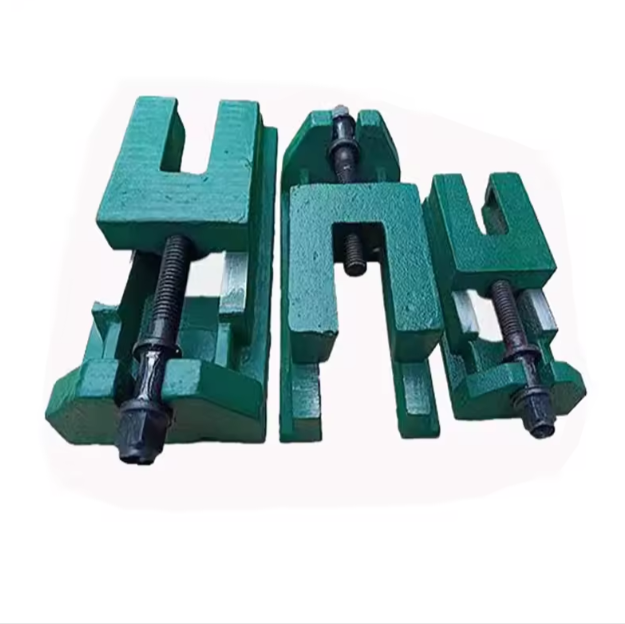
Pad irons are essential components used to support and distribute the weight of heavy machinery in various industries. These pads are placed under machine tools to ensure proper load distribution and stability. When calculating the bearing capacity of a pad iron , the total weight of the machine tool is divided by the number of fastening holes in the pad. This approach helps determine how much weight each pad can support and ensures the machine remains stable during operation. For optimal performance, the position of the machine tool’s center of gravity should also be considered, as this influences weight distribution across the pad irons . This ensures the machinery remains level and securely fastened during heavy-duty operations. Key Considerations: Divide the total machine tool weight by the number of fastening holes for accurate load distribution. Adjust for the center of gravity to balance the machine tool effectively. Effective Use of Anti-Vibration Rubber Pads for Heavy Machinery Anti-vibration rubber pads are crucial in minimizing vibrations and protecting heavy machinery from wear and tear. These pads are made from durable rubber materials that absorb and dampen the vibrations generated during the operation of large machine tools, preventing excessive movement and reducing noise. By placing these pads under machinery, industries such as manufacturing, construction, and processing can prolong the lifespan of equipment and enhance operational safety. In addition to reducing vibrations, anti-vibration rubber pads for heavy machinery provide improved load distribution and protect the floor surface from damage caused by the machine’s weight. The rubber material offers a firm grip, preventing the machinery from shifting or moving during intense operations. Benefits of Anti-Vibration Rubber Pads: Absorb and dampen vibrations, reducing wear and tear on machinery. Improve stability and prevent machinery from shifting. Extend the lifespan of equipment by minimizing vibrations. Versatile Applications of Vibration Pads in Industry Vibration pads are designed to reduce the vibrations and noise produced by heavy machinery, ensuring smooth and efficient operations. These pads are commonly used under compressors, pumps, generators, and other industrial equipment that produce high levels of vibration during use. Made from materials like rubber or a combination of rubber and cork, vibration pads are highly effective in isolating vibrations and preventing them from transferring to floors, structures, or other machines. In industries like manufacturing, construction, and energy, vibration pads are essential for protecting sensitive equipment, maintaining workplace safety, and improving machine performance. These pads can also help prevent misalignment caused by continuous vibrations, ensuring that the machinery operates accurately over time. Common Applications: Used under compressors, pumps, and other vibrating machinery. Prevent vibrations from affecting nearby equipment. Ensure machine stability and accurate performance. Heavy-Duty Protection with Heavy-Duty Anti-Vibration Pads For large-scale industrial machines, heavy-duty anti-vibration pads offer the highest level of protection and support. These pads are designed to withstand extreme loads while effectively absorbing vibrations generated by heavy machinery. Heavy-duty anti-vibration pads are commonly used in industries such as mining, construction, and large-scale manufacturing, where machinery operates under intense conditions. These pads are built to last, offering durability and resistance to compression, wear, and environmental factors like oil, water, and heat. By installing heavy-duty anti-vibration pads under machinery, companies can significantly reduce maintenance costs and improve the efficiency of their equipment by minimizing vibration-related damage. Key Features of Heavy-Duty Anti-Vibration Pads: Strong load-bearing capacity for large industrial machines. Resist compression and wear, ensuring long-term use. Absorb and dampen intense vibrations, protecting machinery and floors. Calculating Load Distribution for Pad Irons and Vibration Pads When selecting pad irons or vibration pads for a machine tool, it's essential to accurately calculate the load distribution. This process ensures that the pads can support the weight of the machinery effectively and prevent any uneven wear or instability. The total weight of the machine tool is divided by the number of fastening holes or contact points, which provides the bearing capacity required for each pad. Considerations for selecting the correct pads: Determine the total machine weight : This includes the weight of the machine tool and any additional components attached to it. Assess the center of gravity : Ensure that the weight is evenly distributed, especially for machines with an uneven center of gravity. Choose the appropriate pad type : Select pad irons , anti-vibration rubber pads , or heavy-duty anti-vibration pads based on the machine’s load and vibration requirements. By calculating load distribution and choosing the correct pads, companies can ensure that their machinery remains stable, operates smoothly, and is protected from the negative effects of vibration. Steps for Calculating and Selecting Pads: Calculate the machine tool's total weight and divide it by the number of fastening holes. Consider the machine’s center of gravity for balanced load distribution. Select the appropriate type of vibration pad based on the machine's size and operating conditions. Pad irons , anti-vibration rubber pads , and heavy-duty anti-vibration pads are vital components in ensuring the stability, accuracy, and longevity of heavy machinery. By correctly calculating load distribution and selecting the appropriate pads, companies can protect their equipment from the damaging effects of vibration, ensure safe operation, and reduce maintenance costs. Whether used for general industrial machinery or high-precision machine tools, these pads provide the support and protection necessary for efficient operation. Explore our range of vibration pads today to ensure your machines are running smoothly and securely.
about
u shaped glass
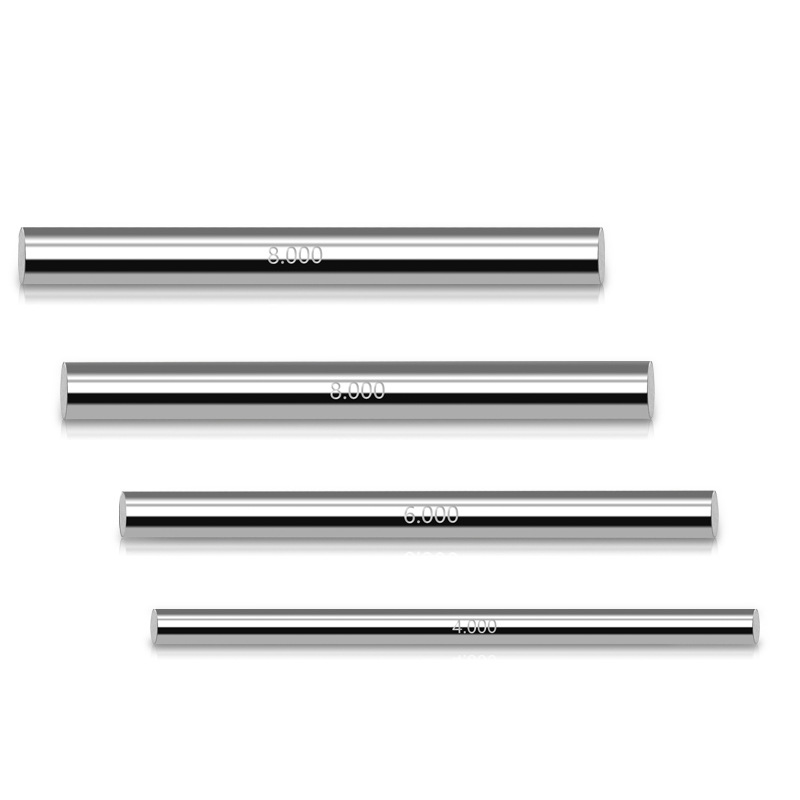
Understanding Taper Plug Gauges A Precision Tool for Quality Control In the realm of manufacturing and quality assurance, the importance of precise measurements cannot be overstated. One tool that has managed to hold its ground in ensuring dimensional accuracy is the taper plug gauge. This specialized gauge is designed to assess the internal diameters of holes and other geometrical features with a level of precision that plays a critical role in the production of parts and components across various industries. What is a Taper Plug Gauge? A taper plug gauge is a type of gauge used to check the size and form of a tapered hole. It comprises a cylindrical shaft that is slightly tapered along its length. The tapering allows the gauge to assess not only the hole diameter but also its tapering angle. This makes the taper plug gauge essential for applications where tapered fittings are used, such as in hydraulic systems, automotive components, and aerospace parts. Design and Structure The design of a taper plug gauge typically features two main sections the tapered portion and the handle. The tapered section is precision-engineered to allow for a snug fit when inserted into a corresponding tapered hole. The difference in diameter at the larger and smaller ends of the taper provides an effective means to gauge the size and conformance of the hole. Most taper plug gauges are made from high-quality materials such as tool steel and are frequently coated to enhance durability and resistance to wear. Surface finishes are also a critical consideration as they can affect the gauge’s ability to measure accurately . Calibration and Standards taper plug gauge To ensure that taper plug gauges provide reliable measurements, they must be properly calibrated. Calibration involves adjusting the gauge by comparing it to a standard reference. This process is vital because even minor deviations can lead to significant errors in the production process. Many industries follow strict standards set by organizations such as the International Organization for Standardization (ISO) and the American National Standards Institute (ANSI), which dictate specifications for gauging tools. Applications in Various Industries Taper plug gauges find applications in a multitude of industries. In the automotive sector, they are frequently used to check the fit of components like valves and shafts. Ensuring that these parts fit together correctly is vital for the safety and performance of the vehicle. In aerospace manufacturing, precision is paramount. Taper plug gauges are employed to verify the integrity of fittings and other crucial components to ensure that they can withstand the extreme conditions experienced during flight. The tool is also utilized in the production of medical devices, where dimensional accuracy can literally be a matter of life and death. Ensuring that parts fit together correctly affects not only the functionality of devices but also patient safety. Conclusion In conclusion, the taper plug gauge serves as an indispensable tool in the manufacturing landscape, providing a reliable means to ensure that internal diameters of tapered holes meet the required specifications. Its design, coupled with the attention to calibration and standards, makes it a vital instrument in maintaining quality control across various industries. As manufacturing processes continue to evolve and demand higher precision, tools like the taper plug gauge will remain critical in connecting the intricate links between design intent and practical execution.
-

High quality industrial productsagement

High quality industrial products
View Details -

Meet the diverse needs of customers

Meet the diverse needs of customers
View Details -

Strict quality control

Strict quality control
View Details -

Top raw materials

Top raw materials
View Details -

Trusted supplier

Trusted supplier
View Details
Our application

news and information

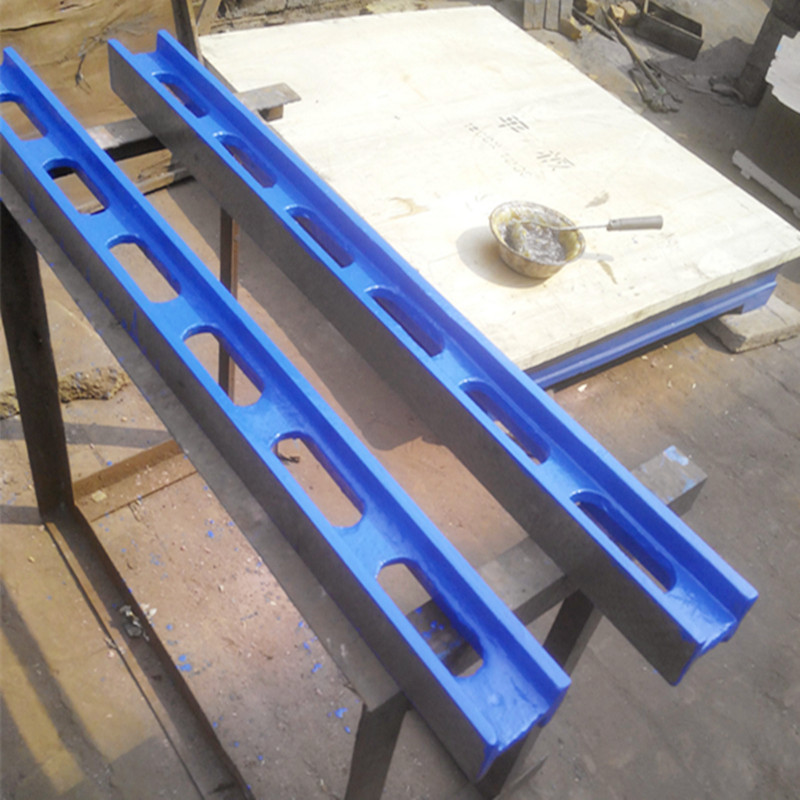
welding table cast iron
The Importance of Welding Tables in Cast Iron Fabrication Welding is an essential process in metalwo
Versatile Snap Gauge with Adjustable Range for Precise Measurement in Various Applications
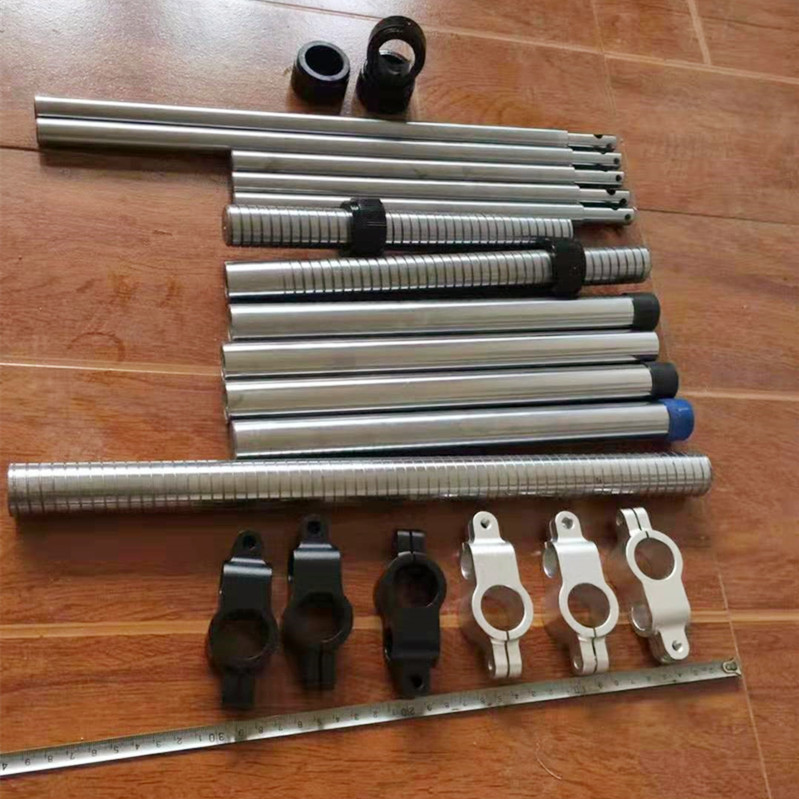
Understanding Adjustable Snap Gauge Ranges In the world of precision measurement, tools like the adj
Válvula Globo de Alta Qualidade - Soluções Eficientes em Controle de Fluxo
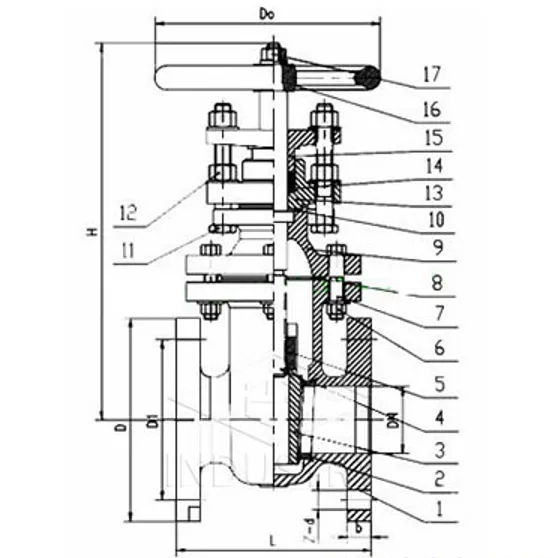
Válvula de Globo de 2% Uma Solução Eficiente para Controle de Fluxo As válvulas de globo são compone
 English